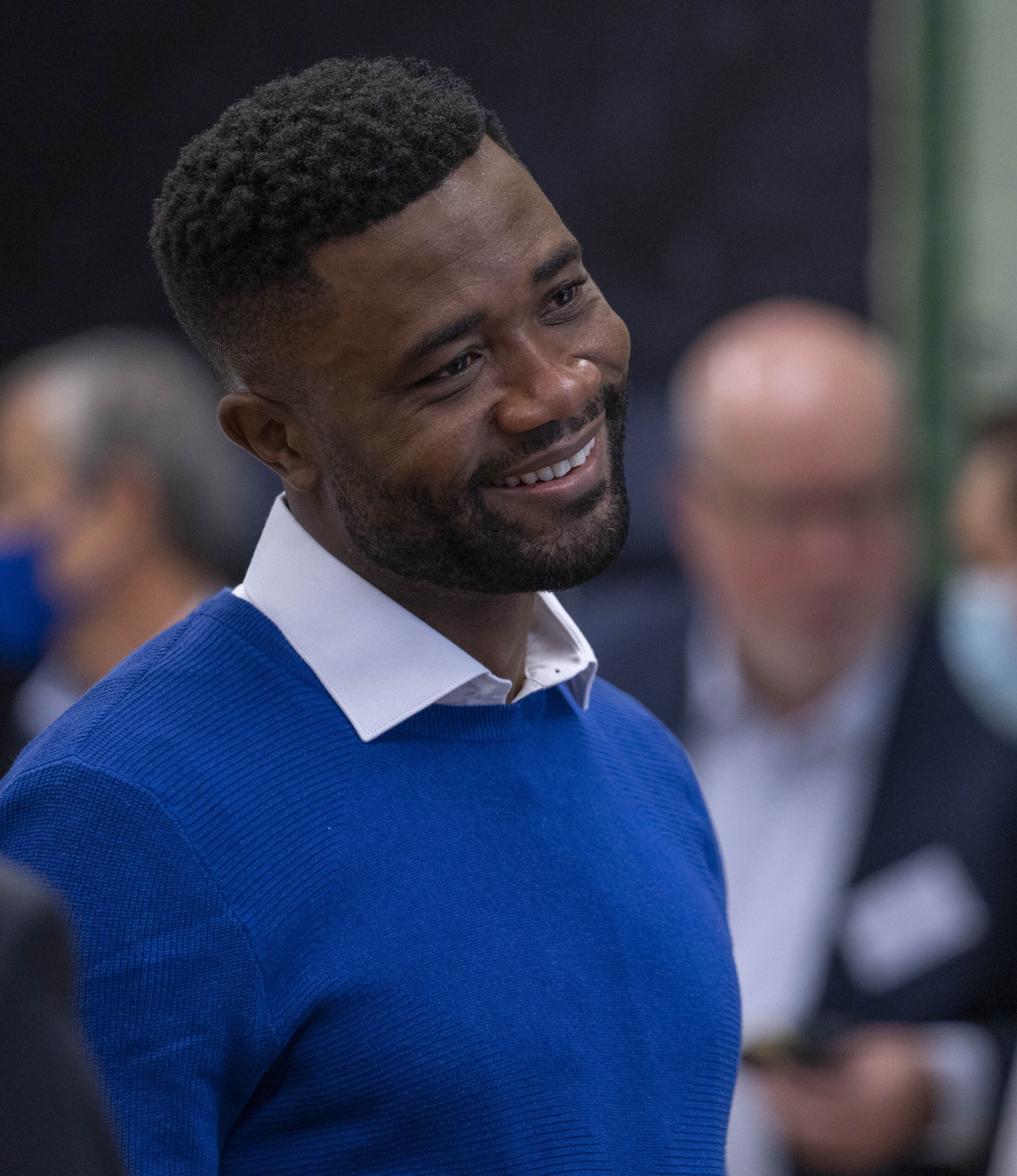
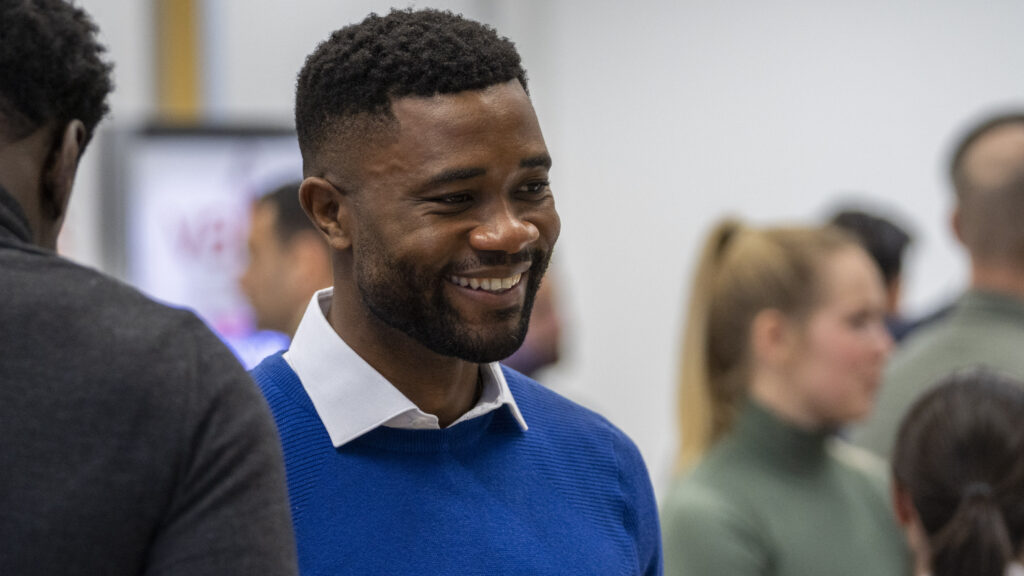
Aurélien Chedjou is a former Cameroonian international defender known for his leadership and success in European football. Rising from youth academies in Douala to the professional ranks in France, he became a key figure at Lille and played an important role in their 2011 Ligue 1 and Coupe de France double before adding further trophies with Galatasaray.
A World Cup and AFCON veteran, he has transitioned into coaching, mentoring and media since retiring. Through the UEFA Executive Master for International Players, he is preparing to shape the next generation by combining top level experience with strategic training.
What inspired you to pursue a career in football growing up in Cameroon?
I started playing for fun with my friends in the neighbourhood. We watched a lot of football, especially French clubs like Marseille and PSG and players like Zidane and Patrick Vieira. I grew up with that generation and dreamed of becoming like the players I watched on TV.
What is one match you wish you could relive?
My first game for the national team against Morocco in 2008. My dream growing up was not only to become a professional footballer but also to represent my country.
My whole family and neighbourhood were in the stadium, so I felt a lot of pressure. When the national anthem started, I almost cried because it was a dream coming true. After the game I called my mother and she was crying too because she knew how much it meant to me.
How do you see the future of Cameroonian football?
We now have Samuel Eto’o as Federation President, a huge figure in Cameroon, Africa, and around the world. He wants to bring the same ambition he had as a player to the national team and the federation.
The next step is improving infrastructure, especially by creating a professional football league in Cameroon. We have to support him in implementing his vision. The future is bright, and many young Cameroonian players are proving themselves in Europe, including in Germany, Spain and France.
What motivated you to join the UEFA MIP programme after retiring?
I spoke with Geremi Njitap and Patrick Mboma, two legends of my country who also completed MIP. Before I stopped playing, I asked them what life after football looks like. They told me about the programme, and I realised I did not want to disconnect from football.
I had been in the game for seventeen years, and I wanted to give something back to the next generation. MIP was the best way to prepare for that.
How did you find your experience on the MIP course?
The most difficult part was expressing myself in English. By the end of the course, I had improved a lot and felt more confident speaking with people I did not know. It was not easy at first, but day by da,y I built relationships with my class and gained confidence.
Over two years, I learned so much. If I have advice for players at the end of their careers, it is to do the MIP. It is a rich experience, and you learn about leadership, different cultures and how to approach football from a new perspective.
How have you applied what you learned from MIP in your post-playing career?
I use it in my work at Lille and also in my role on Canal Plus Africa. On television, I know how to express myself clearly and give my point of view as both a former player and now as a consultant. That is new for me, and I have to improve every day.
For me, it is important to step out of my comfort zone. When you finish playing, people only know you as a footballer, but that part of your life is behind you.
You founded Chedjou Sport Consulting to help young players showcase their talents. What inspired this work?
Before the last World Cup in Qatar, a radio station in Cameroon invited me to work with them during the tournament. At first, I was afraid to do it, but the first days were exciting, and I realised that if this was the new path I needed to learn.
Later, Canal Plus asked me to work in the Ivory Coast, and I kept learning by talking to journalists and former players. Even today, I learn something new every day.
I want to challenge myself so I can give something meaningful back to young people who want to be players. Playing the game and guiding others are not the same. I had to learn how to mentor, how to speak with them and how to support their development.
You are now back at Lille as a post academy development coach. What does a normal day look like for you?
In the morning, I go to my office and speak to each player about how they slept, whether they feel tired from the previous session and anything else important. With this information, I decide how we will train and discuss the plan with my colleagues.
After training, we eat and then return to the office to analyse the session, what went well and what needs improvement. Then I plan the next day.
If I want to follow up with a specific player, I ask him to come to my office so we can discuss how he can improve a part of his game. Around five o’clock I go to the gym because I want to stay fit. For me, if players need to be sharp, the coach must also be fit, and that is the message I want to give them.
Is there anyone in the sporting world who inspires you?
Michael Jordan. For me, he is the greatest of all time. He managed his environment, his career and his business interests at the highest level and stayed involved in basketball long after retiring. He was the best of the best.